I used to believe that nails were just dead tissue that needed to be painted and filed. Then I learned about the living matrix beneath the surface, the protective role of the cuticle, and how nails reflect overall health. That knowledge changed how I care for my nails—and it can change yours too.
Here is what I have learned about the science of nails, the myths that surround them, and how to keep them healthy.
Do Nails Really Need to “Breathe”?
One of the most persistent myths in nail care is that nails need to “breathe.” The idea is that constant polish coverage suffocates the nail and causes yellowing or weakness. But this is biologically inaccurate.
Your nails are made of keratin, a protein that is already dead. The visible nail plate is composed of dead cells. It does not have lungs or pores, and it does not absorb oxygen from the air. The living part of your nail—the matrix—is located beneath the cuticle, and it receives oxygen and nutrients through your bloodstream, not through the nail surface.
So why does this myth persist? Because taking breaks from polish can be beneficial—but not for “breathing.” Constant coverage can trap moisture against the nail plate, leading to staining or weakening. Regular breaks allow you to assess your nail health, deeply moisturize, and give the nail plate time to recover from the drying effects of acetone and filing.
The key takeaway: your nails do not need to breathe, but they do need hydration and occasional breaks from products.
Understanding Nail Anatomy
To care for your nails properly, it helps to understand how they are built.
The nail plate is the hard, visible part of your nail. It is made of keratin and is composed of layers of dead, flattened cells. The nail plate is what you file, polish, and decorate.
The nail matrix is the living tissue beneath the cuticle. This is the “factory” where new nail cells are produced. The matrix determines the thickness, width, and curvature of your nail. Damage to the matrix can result in permanent nail deformities.
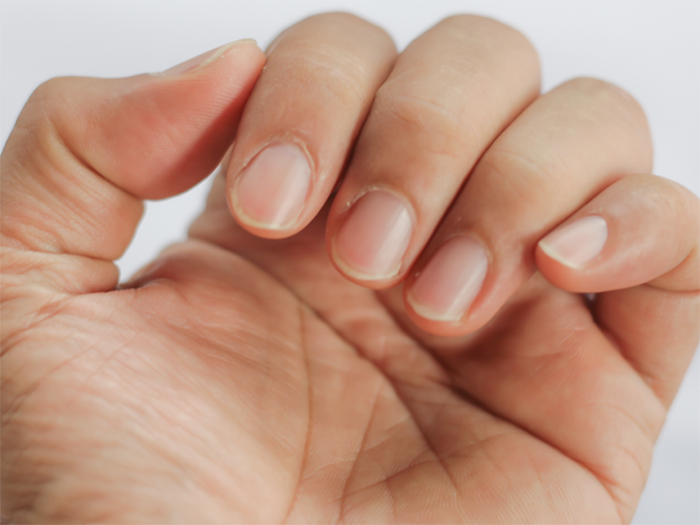
The nail bed is the skin beneath the nail plate. It is rich in blood vessels, which give your nails their pink appearance. The nail bed provides nourishment to the nail as it grows.
The cuticle is the thin layer of dead skin that covers the base of the nail plate. It is a protective seal that prevents bacteria, moisture, and irritants from entering the nail matrix. Cutting or pushing it back too aggressively can break this seal and lead to infection.
The lunula is the pale, crescent-shaped area at the base of the nail. It is the visible part of the matrix. A healthy lunula is usually white or pale pink. Changes in its colour or shape can sometimes indicate health issues.
What Do Nails Do for Us?
Nails are not just for decoration. They serve several important functions:
Protection. Your nails protect the sensitive tips of your fingers and toes from injury, pressure, and trauma. They act as a shield for the nail bed, which contains nerve endings and blood vessels.
Sensory function. The nail plate is attached to the nail bed, which is rich in nerve endings. This allows your fingers to feel pressure, texture, and vibration, enhancing your sense of touch.
Grip and dexterity. Nails provide structure and support to the fingertips, helping you pick up small objects, scratch itches, and grip surfaces. Without them, everyday tasks would be much more difficult.
Health indicator. Changes in your nails—colour, texture, shape, or growth rate—can be early signs of underlying health conditions. Pale nails may indicate anaemia; yellow nails can signal fungal infection or lung issues; and Beau’s lines (horizontal ridges) can indicate a major illness or stress.
How Salon Manicures Can Support Nail Health
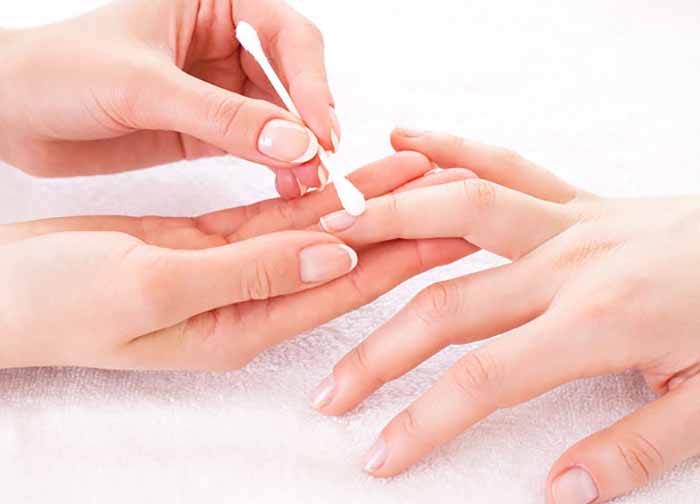
A professional salon manicure is more than just a beauty treatment. When done correctly, it can support the health of your nails.
Expert assessment. A trained technician will examine your nails, cuticles, and skin for signs of infection, damage, or other issues. They can spot problems early and recommend appropriate care or treatments.
Proper tools and technique. Salon tools are designed for precision and safety. A skilled technician uses the correct file grit and technique, avoiding the common mistakes that lead to peeling, splitting, or thinning.
High-quality products. Professional products are formulated with nail health in mind. They often contain nourishing ingredients and are less likely to cause staining or damage.
Hygiene and sanitation. Professional salons follow strict hygiene protocols. Tools are sterilised between clients, reducing the risk of bacterial or fungal infections.
A moment of care. A salon manicure provides dedicated time to focus on your hands and nails—something that is often overlooked in daily life.
The Dangers of Low-Quality Products
Not all nail products are created equal. Using low-quality or counterfeit products can harm your nails and skin.
Staining. Cheap polishes often contain low-grade pigments that can yellow or stain the nail plate, even with a base coat. This can take months to grow out.
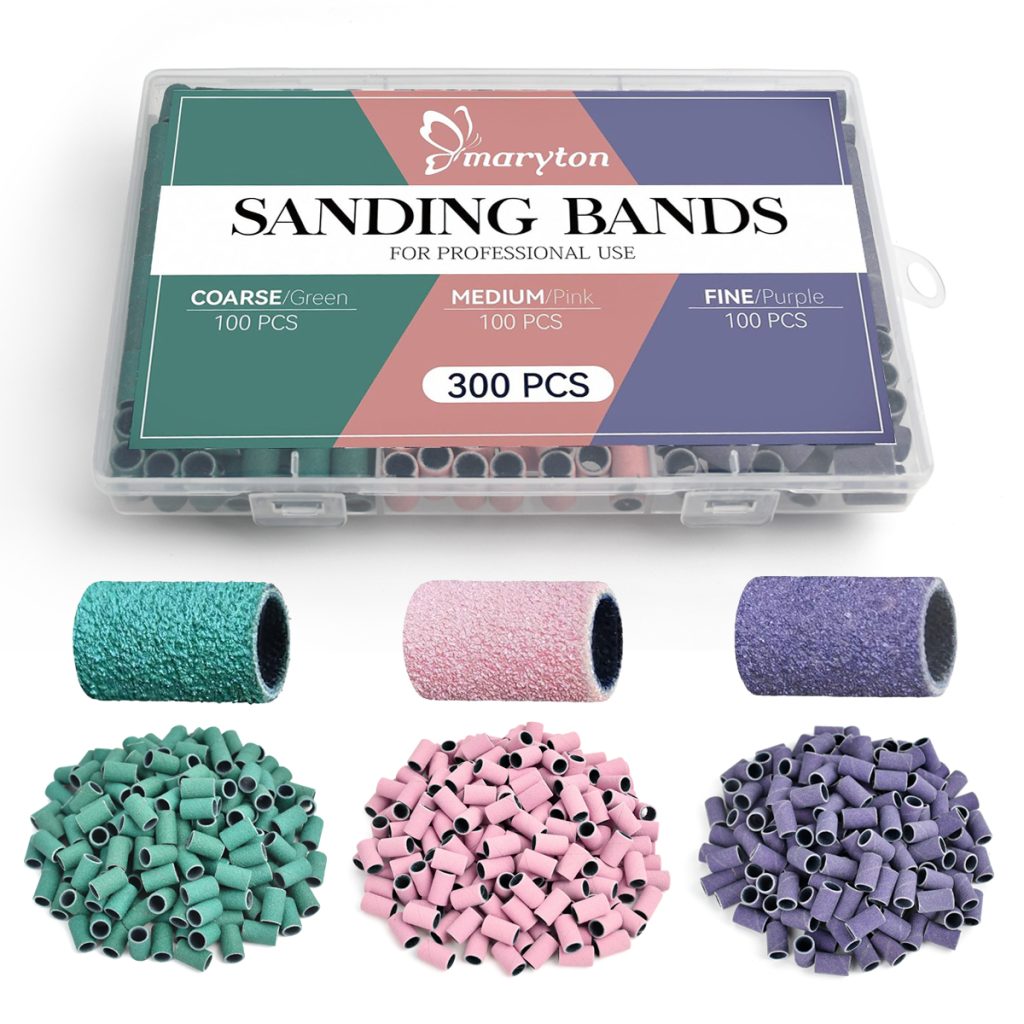
Brittleness. Some low-quality products contain harsh chemicals that strip the nail of its natural oils, leaving it dry and brittle, prone to peeling and breaking.
Allergic reactions. Counterfeit or poorly formulated products may contain ingredients that trigger allergic reactions. Symptoms can include redness, itching, swelling, and even permanent sensitivity to acrylates, which can prevent you from using many nail products in the future.
Inconsistent curing. Cheap gels may not cure properly, leaving a sticky, soft layer that attracts dirt, peels, and can cause contact dermatitis.
Poor adhesion. Inexpensive adhesives and primers may not bond properly, leading to lifting and trapping moisture underneath, which can cause fungal infections.
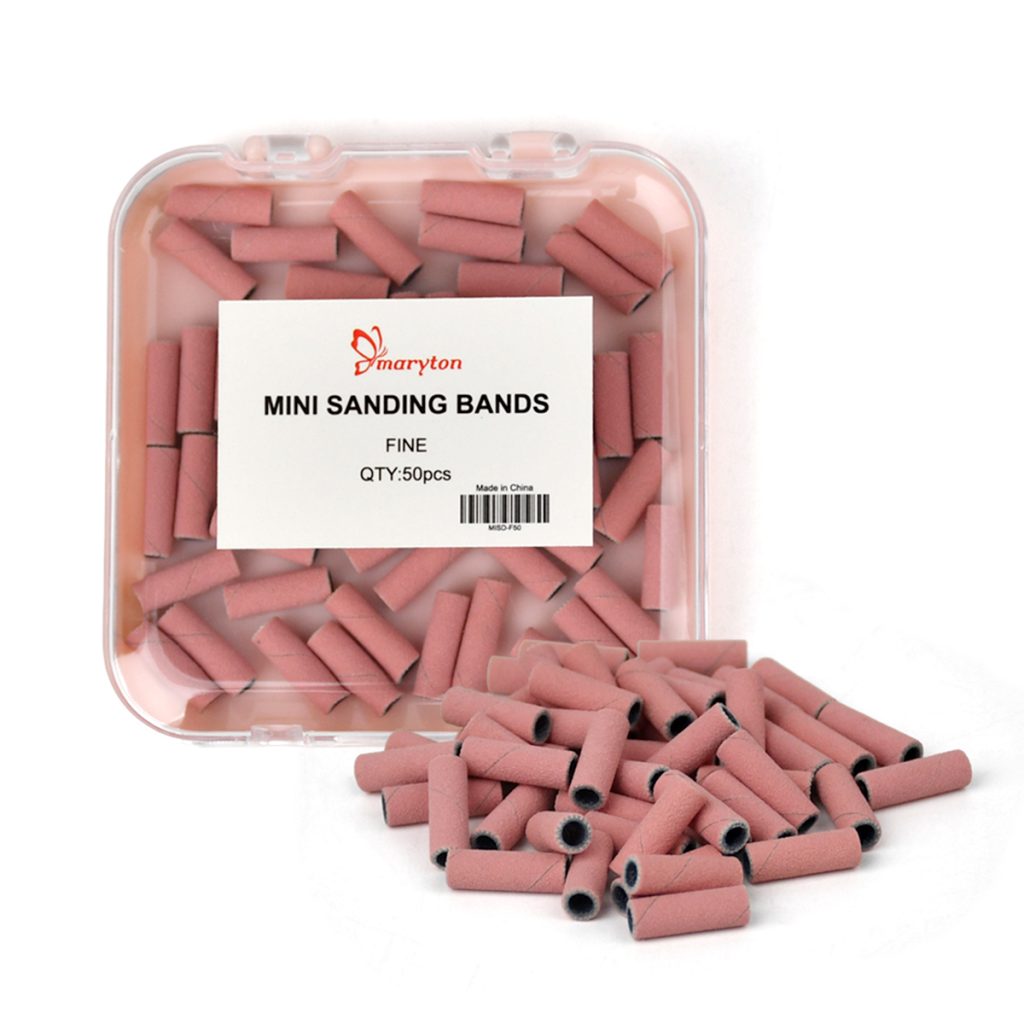
To protect your nails, choose reputable brand such as Maryton, which specializes in nail supplies. If you are unsure, ask a salon professional for recommendations.
How to Prioritise Nail Health in Daily Life
Healthy nails are the result of consistent, gentle care and good habits.
Keep your nails clean and dry. Wash your hands regularly, but dry them thoroughly. Excess moisture weakens the nail plate.
Moisturise daily. Apply cuticle oil and hand cream regularly. Jojoba oil is excellent because it penetrates the nail plate and mimics the skin’s natural oils.
File correctly. Always file in one direction, never sawing back and forth. Use a fine-grit nail file on natural nails.
Protect your nails. Wear gloves for dishwashing, cleaning, and gardening. Avoid using your nails as tools for opening cans or peeling stickers.
Give your nails breaks from polish. Allow a few days of bare, oiled nails every month. This lets you assess their health and deeply moisturise.
Choose products wisely. Invest in quality polishes, removers, and treatments. Avoid acetone-based removers if possible.
Inspect your nails regularly. Look for changes in colour, texture, shape, or growth rate. Early detection can prevent bigger issues.
The Bottom Line
Your nails are more than a beauty accessory—they are a window into your health, a protective shield, and a tool for everyday life. Understanding their anatomy and needs transforms how you care for them. By choosing quality products, giving them regular breaks, and adopting daily habits that support their health, you can enjoy beautiful, strong nails that last. And when you visit a salon, you are not just getting a treatment—you are investing in the health and beauty of your hands.