
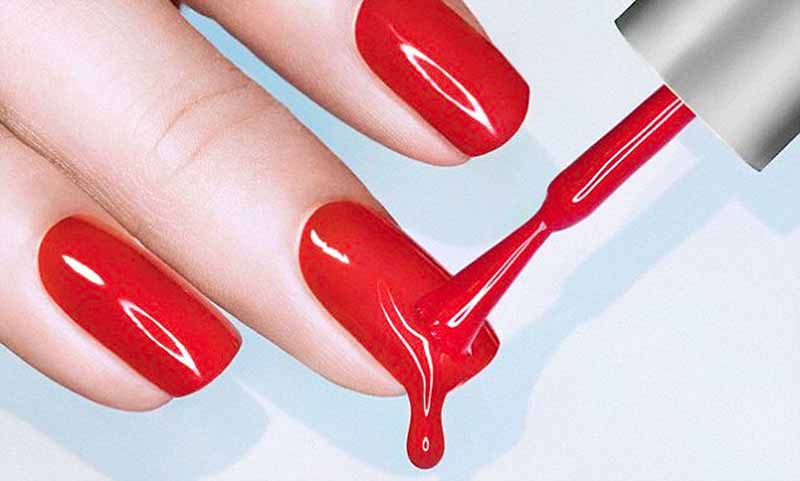
I remember the excitement of my first gel manicure—two weeks of chip-free, glossy perfection. But after a few months of continuous wear, my nails started to feel thin and brittle. I realised that while semi-permanent polish is a fantastic product, it is not without its limitations and potential downsides.
Here is everything I have learned about the limitations of semi-permanent polish, the possible side effects, how to remove it safely, why breaks are essential, and how to restore your nails after removal.
Limitations You Should Know Before Choosing Semi-Permanent Polish
Semi-permanent polish is not a one-size-fits-all solution. Understanding its limitations helps you decide if it is right for you.
It requires a lamp. Gel polish will not dry without a UV or LED lamp. If you do not have one, you cannot use gel polish.
It is more expensive than regular polish. The initial investment in a lamp, base coat, and top coat is higher. Professional salon applications also cost more.
It requires proper removal. You cannot simply wipe it off with regular remover. Improper removal can damage the natural nail.
It is not a repair system. If your nails are already weak, damaged, or peeling, gel polish will not fix them. It may even exacerbate the issue.
It can cause thinning. If applied and removed incorrectly, gel polish can thin the natural nail plate.
Allergic reactions are possible. Repeated exposure to acrylates can cause allergic reactions in some people.
Possible Side Effects of Semi-Permanent Polish
While safe for most people, semi-permanent polish can cause side effects in some cases.
Nail thinning and brittleness. This is the most common side effect. It is usually caused by improper removal—peeling or scraping the gel off—rather than the product itself.

Allergic reactions. Some people develop an allergy to acrylates, the chemical compounds that form the gel. Symptoms include redness, itching, swelling, and blistering around the nail. Once developed, an acrylate allergy is usually permanent.
Dehydration. Acetone used for removal can dry out the nail plate and surrounding skin.
Fungal infections. If the gel lifts and moisture gets trapped underneath, it creates a breeding ground for bacteria and fungi.
Heat spikes. During curing, some gels generate heat. This is usually mild, but in some cases it can be uncomfortable or painful, especially if the gel is applied too thickly or the lamp is too powerful.
Staining. Dark polishes can stain the nail plate, even with a base coat.
How to Remove Semi-Permanent Polish Without Damaging Your Nails?
Proper removal is the most important step in protecting your natural nails. The acetone soak method is the safest and most effective way.
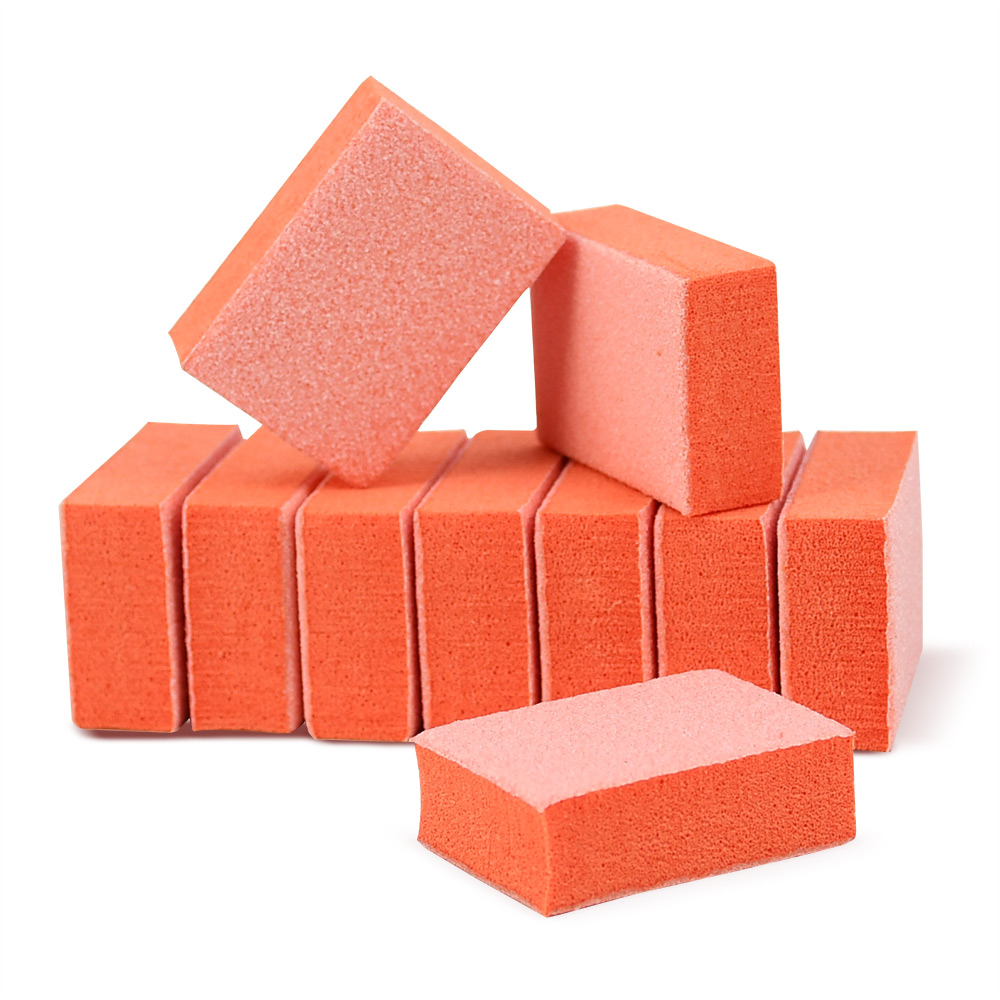
Step 1: File the top coat. Using a fine-grit sanding band, gently buff the shiny top coat off each nail. This breaks the seal and allows the acetone to penetrate.
Step 2: Soak and wrap. Saturate a cotton ball with 100% pure acetone. Place it on your nail and wrap the fingertip tightly with aluminium foil. The foil holds the cotton in place and traps heat, speeding up the process.
Step 3: Wait. Leave the wraps on for 10-15 minutes. Do not peek—unwrapping early releases acetone vapour and slows the process.
Step 4: Gently push. Unwrap one finger. The gel should look soft and cracked. Using a wooden cuticle pusher, gently push the softened gel from the cuticle toward the free edge. If the gel resists, rewrap and wait another 5 minutes.
Step 5: Never scrape. If the gel does not come off, you have not waited long enough. Scraping damages the natural nail.
Step 6: Buff and hydrate. Once all gel is removed, use a nail buffer gently buff any residue. Wash your hands and apply cuticle oil generously.
Why You Should Wait Between Applications?
Giving your nails a break between gel applications is essential for maintaining their health.
Allows rehydration. Acetone and filing strip the nail of its natural oils. A break allows the nail plate to rehydrate and regain flexibility.
Prevents cumulative damage. Continuous filing and acetone exposure over time can thin the nail plate. A break gives the nail time to recover.
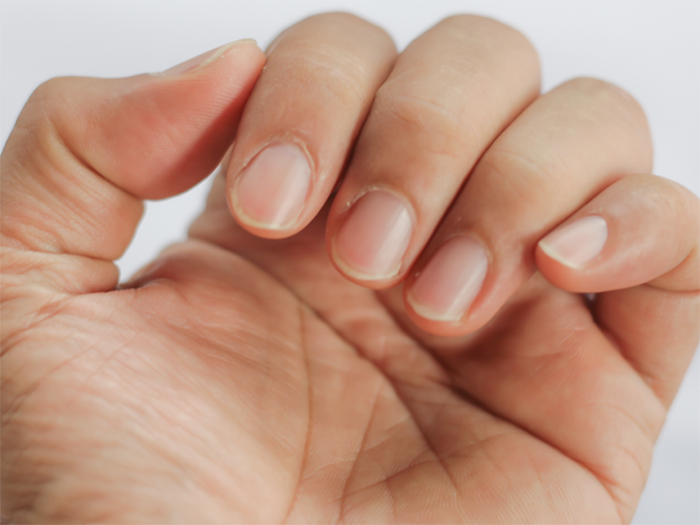
Allows you to assess nail health. A break gives you a chance to check for any changes—discolouration, ridges, or signs of damage.
Reduces the risk of allergic reactions. Limiting exposure to acrylates reduces the risk of developing an allergy.
Restores natural strength. Your nails need time to grow out and regain their natural strength.
Aftercare: Restoring Your Nails After Removal
After removing gel polish, your nails need extra care to recover.
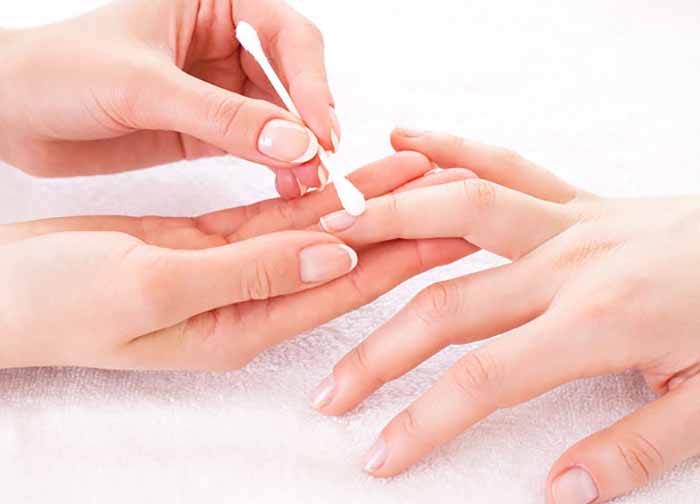
Apply cuticle oil immediately. Jojoba oil penetrates the nail plate and restores moisture. Apply it morning and night, and after every hand wash.
Use a rich hand cream. Lock in moisture with a nourishing hand cream.
Keep nails short. Freshly exposed nails are more fragile. Keep them trimmed while they recover.
Use a nail strengthener. A keratin-based or calcium-based strengthener can provide temporary support.
Give your nails a break. Wait at least 24-48 hours before applying a new set. This allows the nail plate to rehydrate fully.
Eat a balanced diet. Nails are made of keratin—a protein. Include lean meats, eggs, fish, beans, and legumes in your diet.
Be patient. Nails take 4-6 months to fully replace themselves. Consistent care will restore their strength.
The Bottom Line
Semi-permanent polish is a beautiful, long-lasting product, but it is not without its limitations. It requires a lamp, proper removal, and breaks between applications. Potential side effects include thinning, allergic reactions, and dehydration. The key to a healthy gel manicure is proper application, gentle removal, and consistent aftercare. By understanding the limitations and following safe practices, you can enjoy beautiful, long-lasting nails without compromising their health.
Read also: The Secrets of Your Nails: What They Are, How They Work, and How to Keep Them Healthy

One thought on “Semi-Permanent Nail Polish: Limitations, Side Effects, and Safe Aftercare”